Fuel Conservation
Reduce gallons per 1,000 GTM through idle reduction, throttle strategy, train make-up, and aerodynamic improvements.
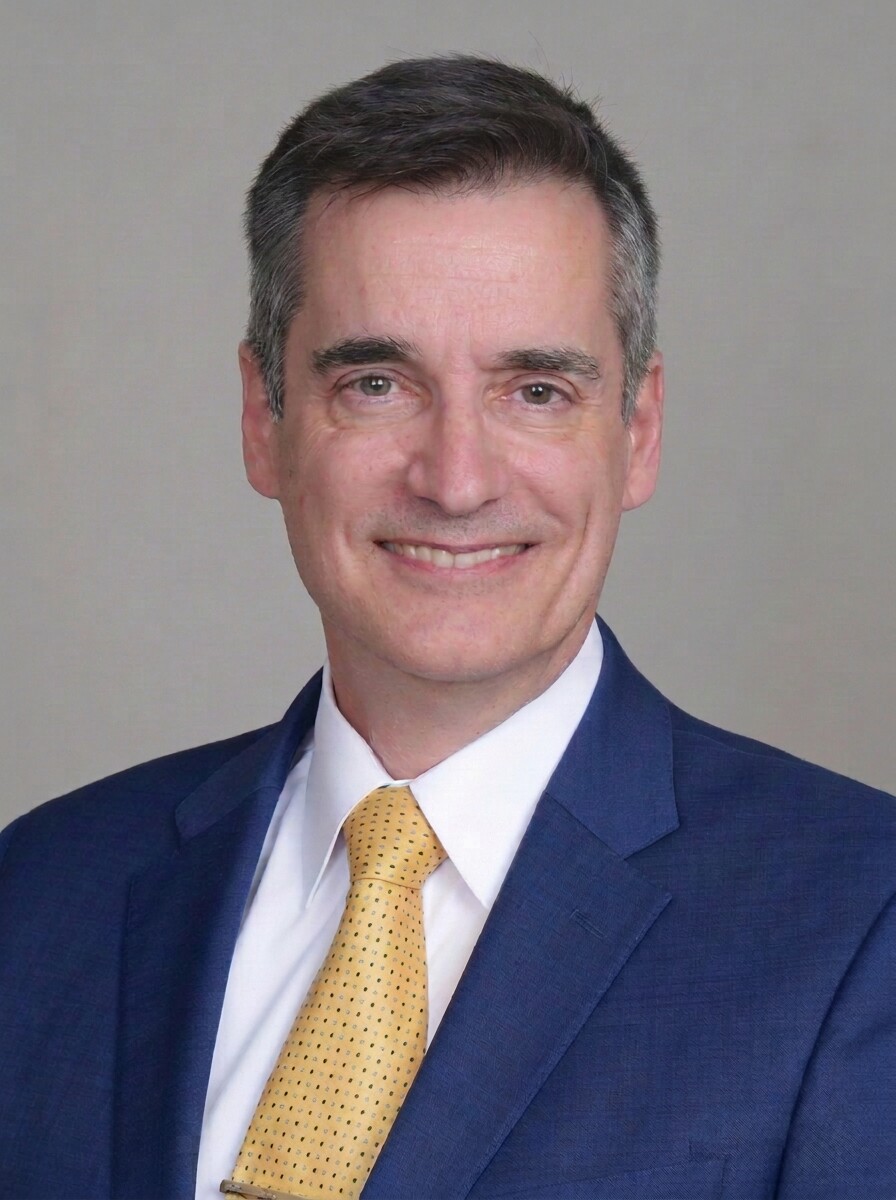
I'm Wayne Kennedy — an independent consultant with three decades of hands-on railroad experience optimizing locomotive fuel consumption, emissions, and operations for North America's largest railroads. Data-driven, field-tested, results that move the needle.
Practical, data-backed consulting across fuel conservation, aerodynamics, emissions, and operations — field-tested over three decades.
Practical, data-backed consulting across the operations and sustainability spectrum.
Reduce gallons per 1,000 GTM through idle reduction, throttle strategy, train make-up, and aerodynamic improvements.
Spatial analysis of routes, grades, and fuel flow to pinpoint where consumption and emissions can be cut.
Feasibility studies, merger-impact modeling, and ROI analysis for new locomotive and biofuel technologies.
Wind-tunnel and CFD-informed design changes for rail cars, intermodal containers, and locomotives.
Sustainability reporting and SBTi-aligned strategy to lower locomotive emissions while protecting the bottom line.
Evaluate biodiesel and synthetic-fuel adoption with full ROI and emissions-reduction analysis.
The sleeping giant of rail fuel conservation. No existing technology will save as much fuel long-term as chasing better aerodynamics — here's why, and what the data shows.
At freight speeds, a railcar spends a remarkable share of its energy simply pushing air out of the way. Close the gaps that create turbulence — voids along the roofline, spaces between dump chutes, the blunt faces of stacked containers — and you cut drag, fuel burn, and emissions in one stroke. The challenge is proving it, car by car, and making the modifications pay for themselves.
Something small can create a huge amount of drag. On the Wright Flyer, most of the drag came not from the wings but from the guy wires and struts. The same is true on a train: walkway supports, railings, and gaps between cars quietly dominate the air resistance. Find them, close them, and the fuel savings follow.
A 50-foot mach 0.2 subsonic tunnel pumps air past G-scale models at 100 mph, measuring velocity, temperature, and barometric pressure to compute each design's drag coefficient. Paired with CFD and a BYU engineering partnership, it turns hunches into measured, defensible results.
Tunnel results carry into the field: 112 life-size modified covered hoppers instrumented and run in high-mileage service confirmed a 4–7% fuel savings. Refrigerated boxcars, intermodal containers, and autoracks have all been assessed and improved the same way.
Railroads have committed to deep emissions cuts by 2030, yet fuel efficiency is improving only about 1% per year — far short of target. Aerodynamics is the proven, near-term lever that can deliver 5–10% reductions without waiting on a new fuel or a new locomotive fleet.
Deflectors, fairings, roof and side treatments, and screen systems retrofit existing fleets — the engineering behind six issued U.S. patents. Solutions like the Corrugated Metals Aeroscreen and roof/side riders make aerodynamic treatment practical at fleet scale.
The trucking industry's SuperTruck program showed what coordinated aerodynamic focus can achieve. Rail has even more to gain — long consists, high mileage, and decades of fleet life multiply every percentage point of drag reduction into real money.
Want the full picture? Read my Trains magazine feature on closing the aerodynamics gap.
See Publications & PresentationsBeyond fuel and aerodynamics, I advise on a growing set of specialized engineering challenges where data, materials, and predictive analytics reshape how railroads operate and stay resilient.
Machine-learning and analytics models applied to operations, asset utilization, and fuel strategy — turning railroad data into decisions that lower cost and raise throughput.
Evaluation of concrete crosstie performance, durability, and lifecycle economics against timber — where they pay off, how they fail, and how to specify them for heavy-haul track.
Sensor-based structural monitoring of rail bridges — strain, deflection, and fatigue data that catch deterioration early and shift maintenance from calendar-based to condition-based.
Geospatial and predictive modeling of flood zones, washouts, and rockfall risk along the right-of-way — giving operations advance warning to protect track, crews, and trains.
Three decades of outcomes that moved the needle — the proof behind the work.
Outcomes that moved the needle across North America's largest railroads.
Wind-tunnel-driven modifications to grain cars delivered a measured 4–6% fuel savings in real-world, high-mileage service at Union Pacific.
Built and led Union Pacific's first fuel-conservation group, a strategy credited with saving over $1B in fuel expense and a 12% reduction in fuel consumption.
Brought a 50-foot subsonic open-loop wind tunnel into railroading — the only one of its kind — accelerating aerodynamic discovery tenfold.
Six issued U.S. patents covering rail-car aerodynamics, drag reduction, and locomotive performance — the engineering behind millions in annual fuel savings.
A collapsible aerodynamic deflector for retrofitting railcars and stacked containers to reduce drag at speed. Extends the aerodynamic program to a broader set of vehicle profiles, lowering fuel burn per mile.
View patent ↗A method for analyzing train performance by varying operating parameters — friction modifier, fuel type, aerodynamic fairings, and wind skirts. Lets railroads quantify, isolate, and validate the real-world fuel impact of each change.
View patent ↗An attachment frame and fairing system for fitting drag-reducing devices to double-stacked intermodal containers. Made aerodynamic treatment practical to deploy across large intermodal fleets.
View patent ↗Aerodynamic fairings that close the turbulent gaps created by double-stacked containers. Reduces the drag penalty of intermodal service — one of rail's most fuel-intensive segments.
View patent ↗A deflector that retrofits railcars and intermodal containers to cut aerodynamic drag, collapsible for use with stacked containers. Broadens the drag-reduction toolkit across diverse equipment and loading configurations.
View patent ↗An air-cooling design for high-power locomotive inverters. Improves thermal management of traction electronics, supporting reliable operation of modern AC-traction motive power.
View patent ↗Published thinking — magazine features, technical papers, and journal articles on rail aerodynamics, lubrication, and fuel efficiency, plus the conferences where I'm sharing the latest.
How the rail industry can harness a proven path to fuel savings — and why the time to act is now.
Railroads have committed to ambitious science-based emissions targets for 2030, yet fuel efficiency is improving only about 1% per year — a pace that leaves the industry well short of its goals. This feature lays out the case that aerodynamics is the proven, near-term lever railroads have been overlooking: wind-tunnel and field results showing 4–9% fuel savings on covered hoppers, refrigerated boxcars, and autoracks; retrofit hardware like the Corrugated Metals Aeroscreen and roof/side riders; and the lesson the trucking industry's SuperTruck program holds for rail.
Articles, publications, and videos where my work has been featured.
Union Pacific feature and video — inside the aerodynamics laboratory where a mach 0.2 wind tunnel and a Brigham Young University partnership turned the "sleeping giant" of fuel conservation into 4–6% fuel savings on modified covered hopper rail cars.
Watch the video ↗ Read the Union Pacific article ↗LMOA papers and conference presentations on fuel conservation, aerodynamics, biofuels, GHG accounting, and lubrication.
WRI Heavy Haul Seminar presentation with Rob Stevens (First Analytics) — solid-stick wheel-flange lubrication, revenue fuel savings, wheel-wear reduction, and fuel-savings analytics from Pueblo testing.
View presentation (PDF) ↗ASLRRA presentation on practical fuel-conservation strategy for short line and regional railroads — industry SBTi progress, technology applications, and where the next gains lie.
View presentation (PDF) ↗With Robert Stevens (First Analytics), Bret Lanz (Kansas State University) and Spencer Maynes (Deflect Inc). Statistical methods and design of experiments for proving locomotive fuel savings in the challenging 1–3% range amid real-world operating variability.
Download paper (DOCX) ↗With Steve Fritz (Southwest Research Institute), Veronica Bradley (Clean Fuels Alliance America), Sarah Elsokkary (Arcadis) and Rajani Modiyani (Chevron REG). Approaches, challenges, and the case for a common GHG accounting methodology as Class I railroads scale biofuel use toward their SBTi goals.
Download paper (DOCX) ↗With Bhargav Sowmianarayanan (Dassault Systèmes) and Gregory Wright (Wabtec). Simple in-field aerodynamic modifications to covered hoppers, autoracks, and boxcars — measured with CFD, wind-tunnel, and full-scale testing — and the lesson trucking's SuperTruck program holds for rail.
Download paper (DOCX) ↗With Steven G. Fritz and Christopher R. Stoos (Southwest Research Institute). An overview of fuel-consumption trends, efficiency technologies, and low-carbon options — from engine and train-level gains to battery-electric and hydrogen fuel-cell locomotives — against SBTi targets.
Download paper (DOCX) ↗Three decades of work with Class I railroads, suppliers, research institutions, and technology firms across North America and around the world.
The majority of my clients are active — a reflection of measurable results and long-term working relationships built on trust.
Southwest Research Institute
Visit site ↗
Clean Fuels Alliance America
Visit site ↗
Corrugated Metals Inc.
Visit site ↗
Wabtec
Visit site ↗
Cascade Geomatics
Visit site ↗
Track Tec
Visit site ↗
Wi-Tronix
Visit site ↗
Rail Vision Analytics
Visit site ↗
MLB Industrial
Visit site ↗
Railhead Corporation
Visit site ↗
PLG Consulting
Visit site ↗
AMOT Controls
Visit site ↗
Kansas City Southern (CPKC)
Visit site ↗
Russell-Kroese Partners (RKP)
Visit site ↗
Transportation Technology Center (MxV Rail)
Visit site ↗
Dassault Systèmes
Visit site ↗
World Kinect Corporation
Visit site ↗
Select a logo to visit each client's website. Logos are the property of their respective owners.
An independent consultant, inventor, and lifelong change agent for the North American rail industry — based in Omaha, Nebraska.
I'm Wayne Kennedy — founder of Kennedy Consulting and the person who started a fuel-conservation group at Union Pacific back in 2004.
For more than thirty years I've worked to make freight railroading consume less fuel and move more freight. At Union Pacific I built the railroad's first dedicated fuel-conservation program — a body of work credited with helping save over $1 billion in fuel expense and cut fuel consumption by roughly 12%. Along the way I designed and operated a 50-foot mach 0.2 subsonic wind tunnel, the only one of its kind in railroading, and partnered with Brigham Young University's engineering capstone program to accelerate aerodynamic discovery.
Today I work independently with railroads, suppliers, research institutions, and technology firms across North America — on aerodynamics, fuel conservation, GIS and fuel-flow mapping, emissions reduction, merger-impact analysis, and ROI studies for new locomotive and biofuel technologies. I hold six U.S. patents covering rail-car aerodynamics, drag reduction, and locomotive performance.
I'm a member of LMOA, I publish and speak regularly on rail fuel efficiency and sustainability. My approach is simple: data-driven, field-tested, and focused on results that move the needle.
A few of the things that keep me moving when I'm not consulting.
Logging miles on the bike — my favorite way to think through a tough aerodynamics problem.
See a photo →A focus on staying strong and healthy — the discipline carries over to everything.
Enjoys playing classical piano — a change of pace that keeps the mind sharp.
My favorite pieces →From the Wright Flyer's drag-heavy guy wires to modern flight — the same aerodynamics that fascinate me on the rails.
A handful of compositions that I love to play on my Boston grand piano. Each link opens the performance on YouTube in a new tab.
Reach out and I'll respond within one business day.